
Cleantech Spark: Tokyo Presentation Report The Challenge of Implementing Environmentally Conscious Tires in Society
December 10, 2025

On the other day, we had the opportunity to speak at “Cleantech Spark: Tokyo” held in Tokyo. Now that the term “cleantech” has become widely used, it felt like a forum where the challenge of “sustaining it as a business”—something that technology and ideals alone cannot fully address—was being reexamined. I’ll briefly jot down some thoughts from the day’s presentations and discussions.
1. Cleantech Spark: Tokyo
Recently, I had the opportunity to speak at “Cleantech Spark: Tokyo,” held in Tokyo. This event was designed as a forum where startups, researchers, investors, and corporations in the cleantech field gather to discuss realizing a sustainable society from both technological and business perspectives.
It was a distinctive event characterized by discussions centered not merely on technology introductions or pitches, but on “how to implement solutions in society” and “how to establish them as viable industries.”
Presentation Topic and Content Discussed
In this presentation, we introduced our efforts in developing environmentally conscious tires and their materials. Key themes included material design utilizing natural-derived materials and by-products, achieving both tire performance and reduced environmental impact, and practical challenges toward mass production and commercialization.
While the discussion has often been framed as a dichotomy between “high performance or environmental consideration,” we conveyed that by considering material design, application design, and distribution design as an integrated whole, it is necessary to rethink this premise itself.
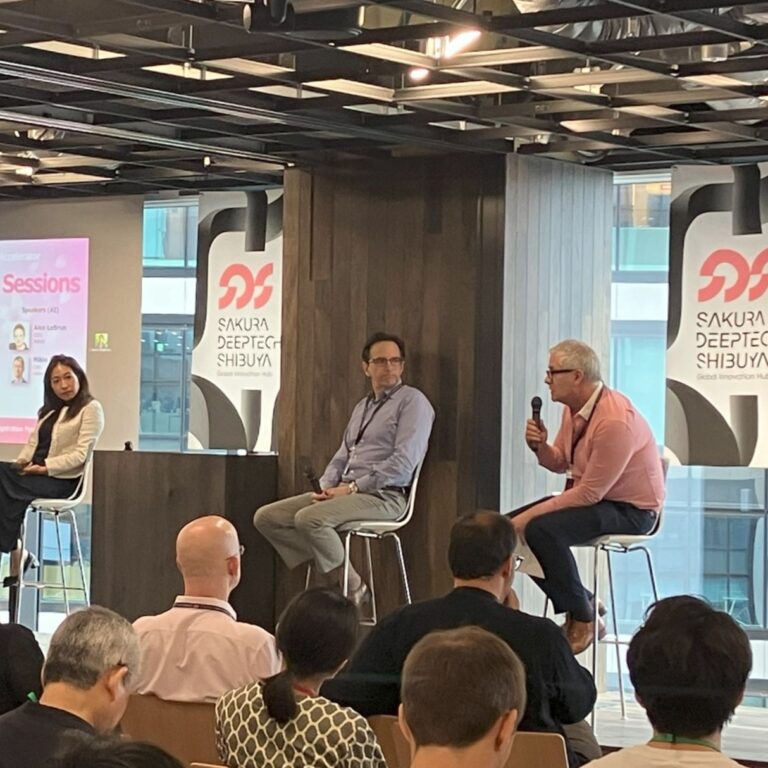
2. Unresolved Issues Remaining in Mature Industries
While the tire industry appears mature, it faces structural challenges such as tire dust issues, raw material dependency, and decarbonization regulations. Environmental regulations advancing primarily in Europe will impact all mobility industries going forward.
We aim to incorporate environmental impact reduction not as an “added value” but as a “basic performance” by redesigning durability and wear characteristics.
Perspectives revealed through dialogue with participants
During the Q&A and networking after the presentation, many questions were raised such as, “Is this viable as a business?” and “How does it connect with existing industries?” Clean tech cannot survive on ideals alone, nor can it succeed based solely on short-term profitability.
I strongly felt that what is needed now is a realistic design that simultaneously addresses technology, cost, scale, and regulations.
3. Looking Ahead
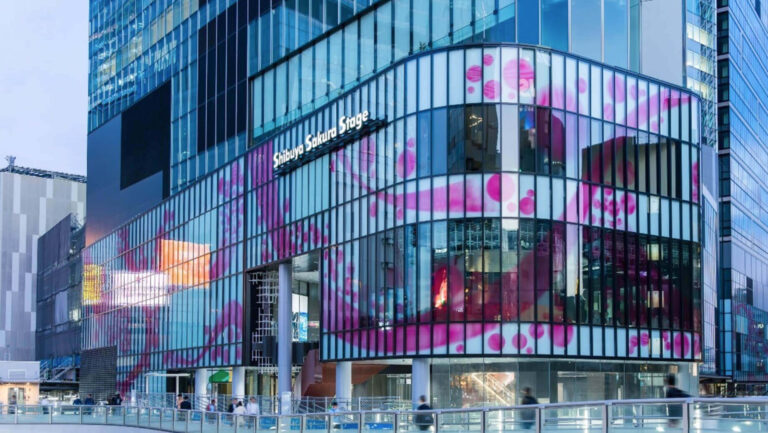
Cleantech Spark: Tokyo was an exceptionally dense gathering of individuals seriously committed to implementing technology in society. We intend to ensure the discussions and perspectives gained from this presentation are fully reflected in our future research and development, as well as business design.
We extend our heartfelt gratitude to the organizers for providing this invaluable opportunity, and to everyone who participated and shared their insights on the day.